14 Day Best of Eastern South Africa Birding Tour
DESTINATION
South Africa
DURATION
14 Days
GROUP SIZE
From 2 people
AVAILABILITY
19th January - 1st February 2027
TOUR PRICE
From USD $6,325 PP
Make enquiry
Tour Introduction
Spanning fourteen days, this tour traces a rich sequence of eastern South African landscapes — beginning in the Afromontane forests of Magoebaskloof, moving through the savannas of Kruger National Park, climbing to the high-altitude grasslands of Wakkerstroom, and finishing among the subtropical wetlands of Zululand and the iSimangaliso Wetland Park. The route has been built to put as many birds as possible within reach: upwards of 500 species are possible along the way, among them roughly 20 South African endemics together with an excellent range of regional specials and marquee targets such as Cape Parrot, Green Barbet, Rudd’s Lark and Palm-nut Vulture.
The birding is matched by first-rate general game viewing, most notably in Kruger National Park and uMkhuze Game Reserve, where big mammals and the Big Five broaden the appeal well beyond birds alone. With its hand-picked birding locations, its shifting scenery and its unhurried passage through one ecological zone after another, the tour is a thorough and satisfying introduction to one of the continent’s finest birding regions.
Tour Highlights
- Magoebaskloof: A leading Afromontane forest site, celebrated for Cape Parrot and its forest specials.
- Kruger National Park: A globally famous reserve pairing Big Five game with exceptional bird variety.
- Wakkerstroom: The country’s premier high-altitude grassland birding base, home to prized endemic larks.
- uMkhuze Game Reserve: A habitat-rich Zululand reserve combining superb hide birding with strong mammal sightings.
- iSimangaliso Wetland Park: A UNESCO World Heritage Site holding outstanding wetland, coastal and estuarine birdlife.
- St Lucia: A rewarding estuary and coastal birding centre, abundant in waterbirds and forest species.
- Dlinza Forest Nature Reserve: Easily explored coastal scarp forest, complete with a canopy walkway and highly wanted birds.
- Ongoye Forest: A scarce forest remnant — and southern Africa’s sole location for Green Barbet.
- Mtunzini : A reliable Palm-nut Vulture spot, set among coastal forest, grassland and wetlands.
Selected Target Birds
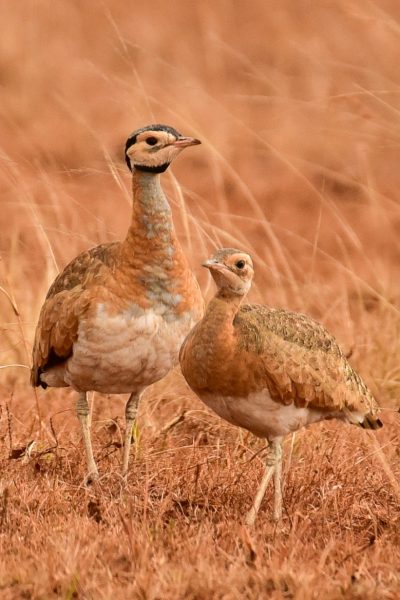
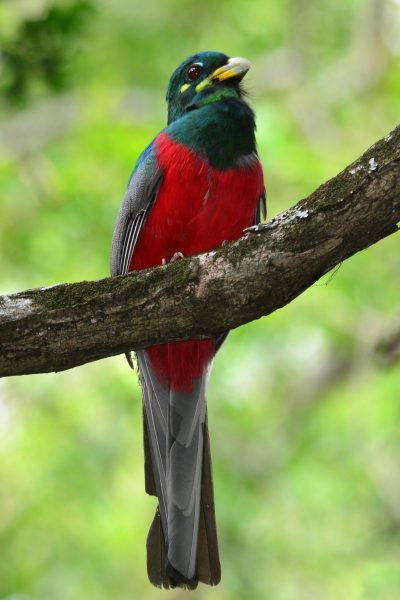
- Cape Parrot, Rudd’s and Botha’s Lark, Blue Korhaan, White-bellied Bustard, Spotted Ground Thrush, Southern Bald Ibis, Knysna Turaco, Narina Trogon, Green Barbet, Short-clawed Lark, Yellow-breasted Pipit, African Rock Pipit, Blue Crane
Top mammals
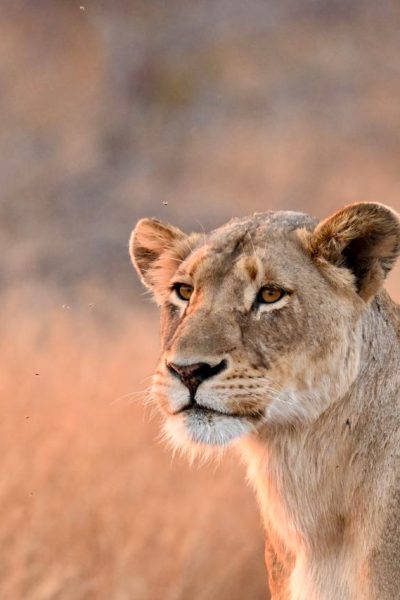
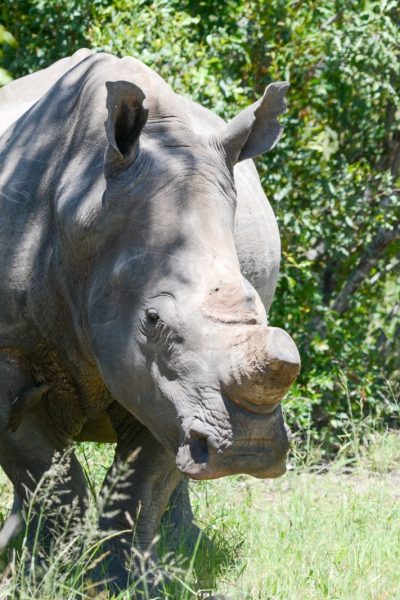
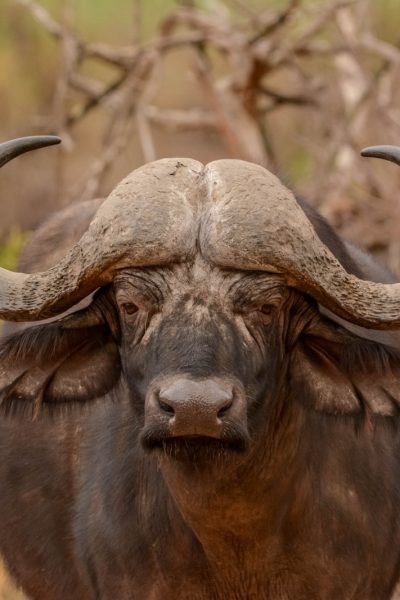
- Lion, Leopard, Wild Dog, Cheetah, African Elephant, Rhinoceros, Buffalo
Optional activities
- Night drive in Kruger National Park
Tour Price Includes
- All accommodation
- All meals
- Specialist birding guide
- Vehicle
- Fuel
- Tolls
- Entry fees
- Full-time services of a personal guide and driver
Tour Price Excludes
- International and local flights
- Travel and medical insurance
- Drinks
- Gratuities
- Visa fees
- Items of a personal nature
- Night drives in the national parks
Safari Itinerary
The tour departs Johannesburg and heads north to the forested escarpment of Magoebaskloof, crossing the Highveld before descending towards the foothills of the northern Drakensberg. If time permits, a stop at Zaagkuilsdrift offers excellent bushveld birding, with species such as Crimson-breasted Shrike, Burnt-necked Eremomela, Southern Pied Babbler, Kalahari Scrub Robin, Violet-eared Waxbill, Shaft-tailed Whydah, White-browed Sparrow-Weaver and Marico Flycatcher all possible.
On arrival in Magoebaskloof, birding begins around the lodge gardens and forest edge. Green Twinspot, Swee Waxbill (NE), Chorister Robin-Chat (E), White-starred Robin, Sombre Greenbul, Lemon Dove and Knysna Turaco (E) are regularly encountered, while African Wood Owl is often heard after dark.
Magoebaskloof and neighbouring Woodbush Forest are among South Africa’s premier Afromontane birding destinations and one of the country’s best places to search for the endangered Cape Parrot.
A full day is devoted to the Afromontane forests of Magoebaskloof and Woodbush Forest Reserve, home to many of eastern South Africa’s most sought-after forest birds. Targets include Cape Parrot (E), Knysna Turaco (E), Narina Trogon, Black-fronted Bushshrike, Olive Bushshrike, Blue-mantled Crested Flycatcher, White-starred Robin, Orange Ground Thrush, Yellow-streaked Greenbul, Scaly-throated Honeyguide, Emerald Cuckoo and Olive Woodpecker. Forest clearings also provide opportunities for Bat Hawk, Rufous-chested Sparrowhawk, African Goshawk and Crowned Eagle.
Later, the tour visits the Polokwane area, where acacia savanna and open grassland support Short-clawed Lark together with Violet-eared Waxbill, Barred Wren-Warbler, Chestnut-vented Warbler, Cape Penduline Tit, Scaly-feathered Weaver, Black-chested Prinia and Kalahari Scrub Robin.
After breakfast the tour descends from the escarpment through Tzaneen and Hoedspruit before entering Kruger National Park via Orpen Gate. Short birding stops along the route provide a transition from cool mountain forest to Lowveld savanna.
Covering nearly 20,000 km², Kruger National Park supports more than 500 bird species and almost 150 mammals, making it one of Africa’s premier birding and wildlife destinations. Along with outstanding birding, there are excellent opportunities to encounter the Big Five, Cheetah, African Wild Dog, Giraffe, Zebra and numerous antelope.
The drive to Satara passes productive open savanna where Elephant, Warthog, Impala, Wildebeest and Giraffe are common, while Lion, Leopard and Cheetah remain possible. Birding targets include Kori Bustard, Southern Ground Hornbill, Secretarybird, Saddle-billed Stork, Bateleur, Martial Eagle, Tawny Eagle, Lappet-faced Vulture, Southern Yellow-billed Hornbill, Southern Red-billed Hornbill, Brown-headed Parrot, Purple-crested Turaco, White-crowned Lapwing, Grey-headed Bushshrike and both Red-billed and Yellow-billed Oxpeckers.
The afternoon is spent around Satara Rest Camp before dinner and an overnight stay.
An early departure allows maximum time to explore one of Kruger’s classic birding routes between Satara and Skukuza. Breakfast and lunch are taken at picnic sites or rest camps while birding across open plains, woodland, riverine forest and wetlands.
This route regularly produces Burchell’s Coucal, Dark Chanting Goshawk, Wattled Starling, Chinspot Batis, Swainson’s Spurfowl, Green-capped Eremomela, Southern Ground Hornbill, Sabota Lark, Chestnut-backed Sparrow-Lark, Lesser Grey Shrike and Bennett’s Woodpecker. Larger species such as Common Ostrich, Kori Bustard and Secretarybird are often encountered, while Elephant, Giraffe, Lion and a variety of antelope are frequently seen. Black Rhinoceros and Lichtenstein’s Hartebeest remain possible.
The day ends at Skukuza Rest Camp on the Sabie River. The mature trees around camp attract African Green Pigeon, Crowned Hornbill and Grey-headed Bushshrike, providing excellent birding before dinner and an overnight stay.
A full day is spent exploring the southern Kruger region around Skukuza. Before heading out, there is time to bird around camp, where the Sabie River attracts Trumpeter Hornbill, African Green Pigeon, Purple-crested Turaco, Red-faced Cisticola, Common Waxbill, Bronze Mannikin and up to six flycatcher species. In winter, flowering aloes draw Scarlet-chested, White-bellied and Marico Sunbirds, while African Black Duck and Hamerkop are often seen along the river.
Depending on recent sightings, the day’s route may head south towards Lower Sabie or west along the renowned Doispane Road. Lake Panic Bird Hide is a favourite stop, producing Malachite and Pied Kingfisher, African Jacana, Water Thick-knee, Striated Heron, Black Crake and Wire-tailed Swallow, with Hippopotamus, Nile Crocodile and occasionally Leopard adding to the experience.
The surrounding riverine woodland supports African Finfoot, African Fish Eagle, Goliath Heron, Giant Kingfisher, Saddle-billed Stork, Brubru, Retz’s Helmetshrike, Yellow-breasted Apalis, Southern Black Tit, Cardinal Woodpecker, Bearded Woodpecker, Gorgeous Bushshrike and many other woodland species.
Dinner is enjoyed back at Skukuza before those wishing to do so may join an optional night drive, offering the chance to see African Civet, genets, Side-striped Jackal, White-tailed Mongoose, African Wildcat, Spotted Eagle-Owl, Verreaux’s Eagle-Owl, African Scops Owl, Southern White-faced Owl, Square-tailed Nightjar and Fiery-necked Nightjar.
After breakfast, the tour continues south through Kruger’s varied landscapes towards Berg-en-Dal. Along the route, birding may produce Grey Penduline Tit, Yellow-fronted Tinkerbird, Red-headed Weaver, Mocking Cliff Chat, Lazy Cisticola, Lizard Buzzard, Bushveld Pipit, Yellow-throated Longclaw, Pale Flycatcher, Striped Kingfisher, Yellow-throated Bush Sparrow and Stierling’s Wren-Warbler.
The rocky hills around Berg-en-Dal are excellent Leopard habitat and also support White Rhinoceros, African Elephant, Buffalo, Greater Kudu, Giraffe and occasional African Wild Dog. Time is spent exploring the camp and the Rhino Perimeter Trail, where Honey Badger, Thick-billed Cuckoo, Scarlet-chested Sunbird, White-browed Robin-Chat, Brown-headed Parrot, Trumpeter Hornbill and Black-collared Barbet are regularly recorded.
The afternoon offers time to relax before dinner overlooking the camp dam and another night in Kruger National Park.
Leaving Kruger behind, the journey climbs from the Lowveld into the high-altitude grasslands of Wakkerstroom, one of South Africa’s premier birding destinations. Birding stops along the route provide opportunities for South African Cliff Swallow, while the rolling grasslands begin to produce regional specials including Southern Bald Ibis (E), Blue Crane (NE) and Grey Crowned Crane.
Arriving in Wakkerstroom during the afternoon, the nearby wetland offers excellent birding with Little Rush Warbler, Lesser Swamp Warbler, African Rail and, with luck, the elusive Red-chested Flufftail. Other regular species include African Swamphen, Cape Shoveler, Yellow-billed Duck, Yellow-billed Egret, African Snipe, Little Grebe, Maccoa Duck, Southern Pochard and Southern Red Bishop.
With more than 400 bird species recorded, Wakkerstroom is recognised as one of South Africa’s finest grassland birding destinations. Dinner and overnight are at a comfortable guesthouse.
A full day is dedicated to the high-altitude grasslands surrounding Wakkerstroom, home to two of South Africa’s most sought-after endemics – Rudd’s Lark and Botha’s Lark. Other larks possible include Eastern Long-billed Lark (E), Spike-heeled Lark and Red-capped Lark.
The region’s rolling grasslands, rocky hills and wetlands support an outstanding variety of endemic birds. Other key targets include Yellow-breasted Pipit (E), Blue Korhaan (E), Bokmakierie, Red-throated Wryneck, White-bellied Bustard, Denham’s Bustard, Buff-streaked Chat (E), Mountain Wheatear, Sentinel Rock Thrush (E) and African Rock Pipit (E).
Grasslands also produce Jackal Buzzard (NE), Southern Bald Ibis (E), Bush Blackcap (E), Drakensberg Prinia (E), Grey-winged Francolin (E), Red-winged Francolin, Grey Crowned Crane, Blue Crane (NE) and Quailfinch, while migrant raptors such as Amur Falcon and Lesser Kestrel may be present during summer.
Wetlands add another dimension with Maccoa Duck, Southern Pochard, Little Grebe, African Snipe, Little Bittern, Yellow-billed Egret and Black-crowned Night Heron, while African Clawless Otter is a possibility. After a rewarding day, dinner is enjoyed back at the guesthouse.
After morning birding around Wakkerstroom, the tour descends from the Mpumalanga grasslands into the subtropical lowlands of northern KwaZulu-Natal. The changing scenery highlights the remarkable diversity of eastern South Africa before reaching the renowned birding region of uMkhuze Game Reserve and the nearby iSimangaliso Wetland Park, a UNESCO World Heritage Site.
uMkhuze’s exceptional bird diversity is driven by its varied habitats, including sand forest, savanna, thornveld, riverine woodland and wetlands. Nearby pans further increase the area’s birdlife, making Zululand one of South Africa’s premier birding regions.
The reserve is equally rewarding for mammals, supporting the Big Five together with Lion, Leopard, African Wild Dog, Suni and Red Duiker. Dinner and overnight are at comfortable accommodation just outside the reserve.
A full day is spent exploring the diverse habitats of uMkhuze Game Reserve and the surrounding iSimangaliso Wetland Park. More than 450 bird species have been recorded here across acacia savanna, woodland, sand forest, wetlands and pans.
Birding from hides, woodland roads and forest trails may produce Crowned Eagle, Black-chested Snake Eagle, Southern Banded Snake Eagle, African Marsh Harrier, Yellow-billed Stork, Goliath Heron, African Pygmy Kingfisher, Blue-cheeked Bee-eater, Common Quail and Black-bellied Bustard. Other regional specials include Trumpeter Hornbill, Crowned Hornbill, Eastern Nicator, Bearded Scrub Robin, Gorgeous Bushshrike, Purple-banded Sunbird, Broad-billed Roller, African Broadbill, Pink-throated Twinspot and Rudd’s Apalis.
Wildlife viewing is equally rewarding, with White Rhinoceros, African Elephant, Buffalo, Giraffe, Plains Zebra, Blue Wildebeest, Greater Kudu, Nyala, Impala, Warthog and Hippopotamus regularly encountered, while Leopard, Lion, Spotted Hyaena, African Wild Dog and Suni remain possible.
Dinner and overnight are enjoyed after another outstanding day in Zululand.
After breakfast, the tour continues to St Lucia, gateway to the iSimangaliso Wetland Park. A stop at the entrance bridge offers opportunities for Southern Brown-throated Weaver and Eastern Golden Weaver before lunch in town and afternoon birding around the estuary or surrounding wetlands.
The St Lucia estuary is one of South Africa’s finest waterbird sites. Depending on season and water levels, species may include Caspian, Swift, Sandwich, Common and Little Terns, Great White Pelican, Pink-backed Pelican, Yellow-billed Stork, Woolly-necked Stork, Lesser Flamingo, Ruff, Ruddy Turnstone, Grey Plover, Pied Avocet, Chestnut-banded Plover, White-fronted Plover and African Oystercatcher.
The surrounding forests and wetlands support Livingstone’s Turaco, Trumpeter Hornbill, Crowned Hornbill, Blue-mantled Crested Flycatcher, Brown Scrub Robin (NE), Rudd’s Apalis, Green Twinspot, Grey Sunbird, White-eared Barbet, Woodward’s Batis, Black-bellied Starling, Little Rush Warbler and Lesser Swamp Warbler. European Honey Buzzard and Blue-cheeked Bee-eater are also possible.
Dinner and overnight are in St Lucia.
Following early morning birding around St Lucia, the tour travels south towards Eshowe, with an optional stop at Mtunzini, one of South Africa’s most reliable sites for Palm-nut Vulture.
The afternoon is spent exploring Dlinza Forest Nature Reserve, an excellent example of coastal scarp forest with an extensive trail network and canopy boardwalk. Target species include Spotted Ground Thrush, Eastern Bronze-naped Pigeon, Olive Woodpecker, Green Twinspot, Crowned Eagle, Narina Trogon, Trumpeter Hornbill, Crowned Hornbill, Olive Sunbird, Collared Sunbird, Dark-backed Weaver, Chorister Robin-Chat (NE), Terrestrial Brownbul and Lemon Dove.
Dinner and overnight are in Eshowe.
An early start takes the tour to Ongoye Forest, the only place in southern Africa to see the highly localised Green Barbet. This important coastal forest also supports Eastern Bronze-naped Pigeon, the endangered Spotted Ground Thrush and numerous KwaZulu-Natal forest specials.
Later, birding around Mtunzini targets Black Coucal, Rufous-winged Cisticola, Palm-nut Vulture, Red-headed Quelea and African Pygmy Goose across coastal forest, wetlands and grasslands.
If time permits, Umlalazi Nature Reserve adds further opportunities for Green Twinspot, Black-throated Wattle-eye, Green Malkoha, Black-bellied Starling, Grey Sunbird and Woolly-necked Stork. A final visit to Dlinza Forest may provide additional chances for any missed target species before the farewell dinner in Eshowe.
After breakfast, the tour concludes with a transfer to King Shaka International Airport for onward departures. The drive passes through the rolling hills and coastal scenery of Zululand, providing a final glimpse of one of South Africa’s richest birding regions.
Please note: Extensions to the Drakensberg (Sani Pass), Cape Town or other destinations can easily be arranged.